


Reducing Airside Incidents Through Ground Support Equipment Simulation
Airside incidents involving ground support equipment (GSE) continue to represent a persistent operational risk for airports worldwide. Despite advances in…

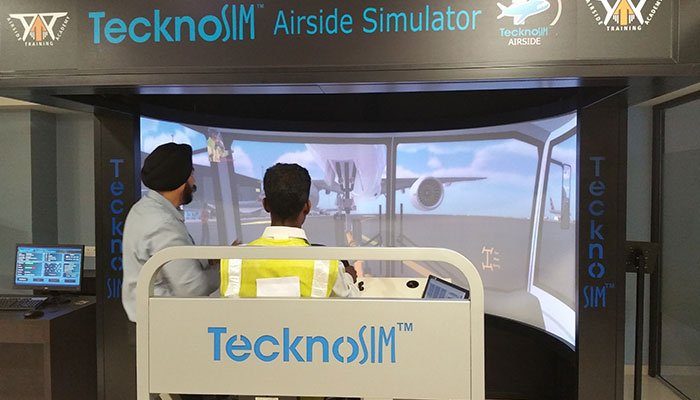
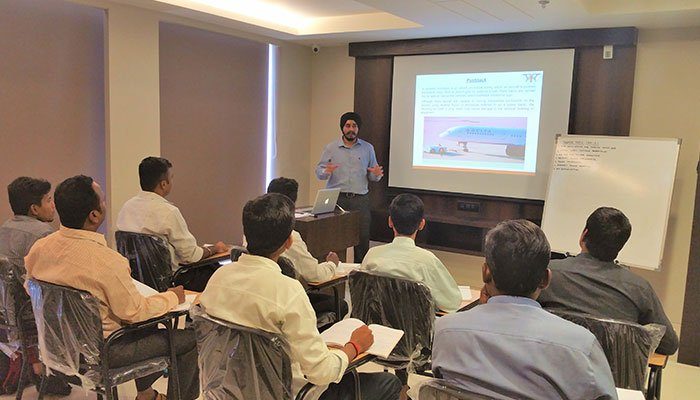
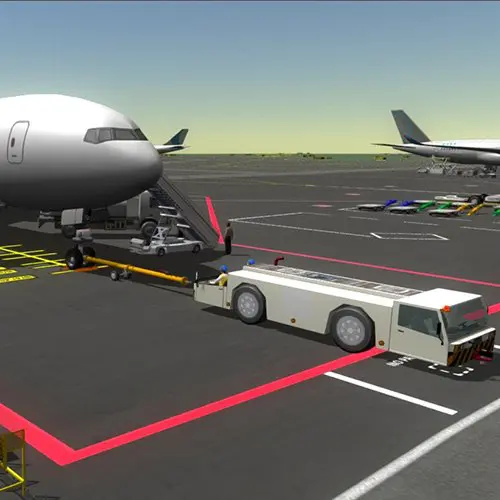
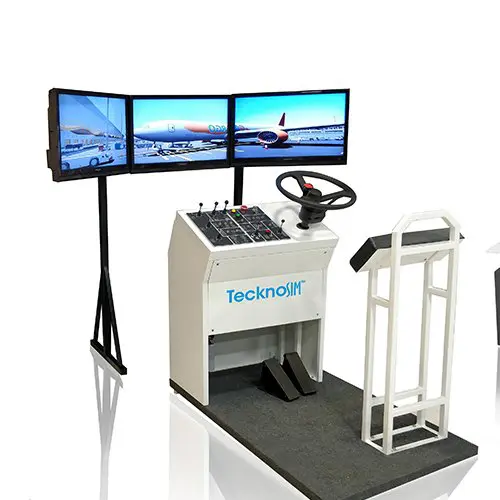
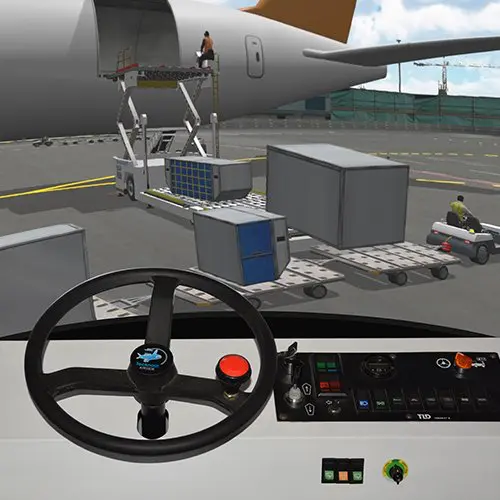
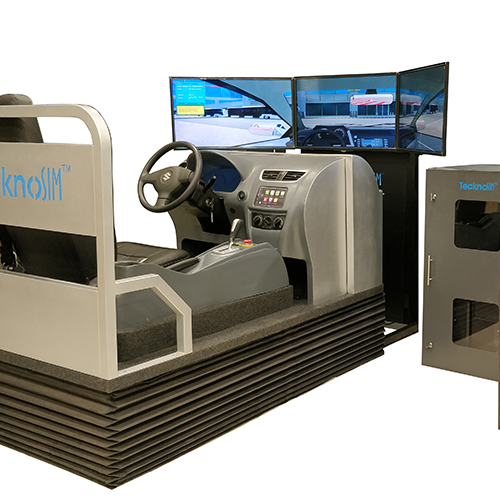
GSE operator and airside safety training services offered by TecknoSIM aims to create efficiency and increase on-time performance on the airside. As the profitability of an airline business depends on how quickly can the aircraft be turned around, it’s crucial to ensure all ground operations are running smoothly and efficiently. Aircraft turnaround depends on a lot of factors that include passenger boarding, cargo loading and unloading, aircraft fuelling, cabin cleaning and galley servicing. GSE operator training solution ensures schedules are maintained, operations are undertaken with utmost safety and training costs are kept low.


Our training focuses on the following aspects that are essential to maintain high levels of operational efficiency at airports:

Airside incidents involving ground support equipment (GSE) continue to represent a persistent operational risk for airports worldwide. Despite advances in…
By 2026, airside operations at major airports are characterized by higher traffic density, tighter turnaround windows, diversified aircraft fleets, and…
FAQ
A GSE operator manages ground support equipment at airports, such as tugs, belt loaders, and de-icing machines. They coordinate with other airport personnel to ensure smooth ground operations and efficient aircraft servicing.
GSE operators safely operate and maintain ground support machinery, perform routine checks, and follow safety protocols. They also coordinate with pilots and ground crews to optimize aircraft turnaround and service schedules.
Certification typically involves completing technical training programs from equipment manufacturers or Certified training schools. Trainees often undergo on-the-job training and must pass safety or operational exams to prove proficiency with ground support equipment.
Most positions require a high school diploma or equivalent, specialized training on specific equipment, and strong communication skills. Employers may also prefer candidates with experience in ground handling or aviation support roles.