Training simulators are increasingly being used across industries such as aviation, defence, mining, logistics, and maritime to enable safe, cost-effective, and scalable skill development. These systems replicate real-world scenarios in a virtual environment, allowing organizations to train personnel without operational risks. When investing in a training simulator, companies must evaluate several key factors to ensure maximum return on investment.
As technological advancements continue to transform various industries, training simulators have gained significant recognition as effective tools for training and skills development. Whether in Aviation, Defense, Mining, Logistics or Maritime industries, training simulators offer a safe and cost effective solutions to real-life training scenarios in a safe virtual environment without the dangers and hazards involved . When considering investing in a training simulator, companies need to know what outcomes are they expecting from this investment , whether the simulator training will help them improve safety , improve productivity and efficiency , reduce costs or help them achieve all of these . Its recommended that companies thoroughly evaluate key factors to ensure optimal benefits from their simulator investment . In this article, we will delve into some key aspects that will help companies evaluate how to choose the best simulator while investing in one.
What is a Training Simulator?
A training simulator is a system designed to replicate real-world environments in a safe and controlled setting for skill development and operational training. These simulators are widely used across industries such as defence, aviation, mining, logistics, and transportation to train personnel without the risks and costs associated with real-world training.
Types of Training Simulators:
• Defence and Military Simulators – for combat, weapon handling, and mission rehearsal
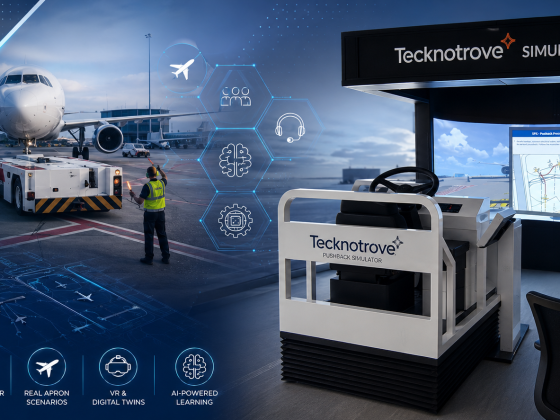
• Aviation Simulators – for ground staff training and flight inspections
• Mining and Heavy Equipment Simulators – for operator training in hazardous environments
• Driving and Transport Simulators – for safe vehicle training and driver behavior analysis
Training Objectives and Customizability:
Every industry and training program has unique requirements and objectives. Therefore, it is vital for companies to invest in a simulator that allows customization to meet specific training needs. Whether preparing for emergency situations, complex maneuvers, safe transportation or train operators on complex machinery operations, the training simulator should provide flexibility to adapt training scenarios accordingly. Simulator should be adaptable and must offer a wide range of customization options . For example Mining Companies could look for customised mine site environment that will enable training on their own replica virtual mines with complete safety . The ability to tailor training programs on a simulator to precisely fit a company’s training and testing needs is also a must have while investing in a simulator.
Realism and Immersion:
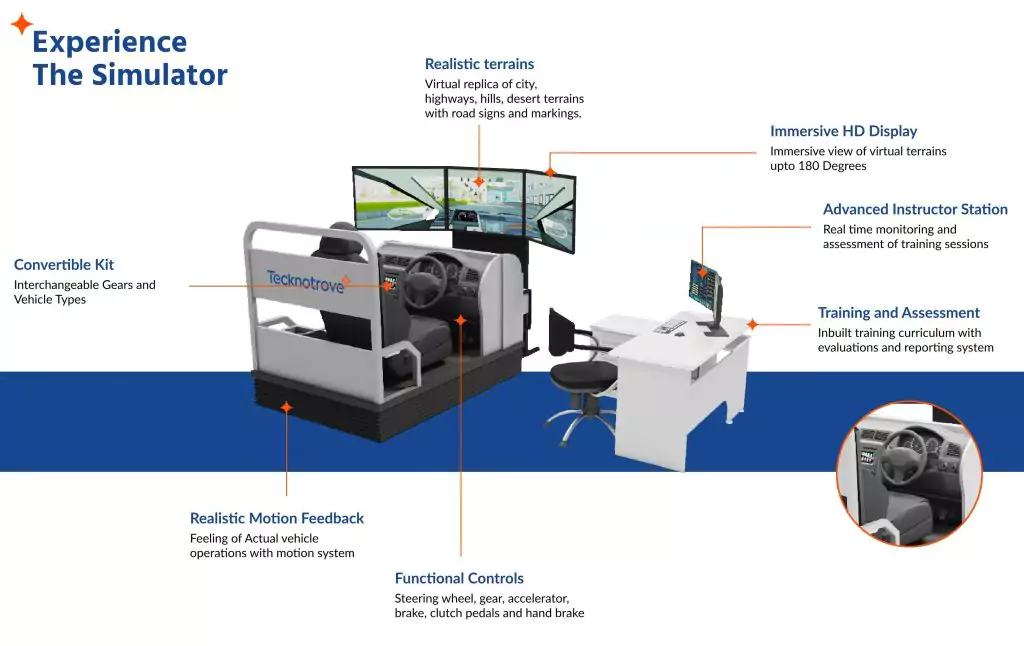
One of the primary feature that companies should prioritize when investing in a simulator is its level of realism and immersion. A simulator must closely replicate the physical machine/vehicle dynamics including virtual real-life scenarios including providing users with an uncanny sense of immersion. Advanced training simulators incorporate cutting-edge technologies such as AI traffic system , replica controls, electric motion platforms, and real time trainee feedback systems to create a realistic and engaging training environment. Option of display systems like curved display that provided 180 degree field of view , LED display or even a VR display must be available as a part of the simulator offering that will provide the freedom for one to choose the right simulator as per the training infrastructure and training budgets. One must consider a simulator manufacturer that offers a wide range of highly realistic training simulators readily available to choose from .
Performance Measurement and Assessment:
Another critical factor to consider is the simulator’s ability to provide comprehensive performance measurement and assessment tools. A good simulator should offer detailed analysis of trainee performance through data collection and evaluation features. This enables companies to identify areas of improvement and track progress effectively. While selecting a training simulator one must consider if the simulator has the ability to manage trainee database, custom design training programs and provide instant feedback reports through and Online Training Management System (TMS) allowing companies to evaluate trainee performance accurately , in real time and remotely from any location .
Cost-Effectiveness and Training Safety:
Investing in a training simulator can significantly reduce training costs by minimizing the need for extensive real-life equipment usage, maintenance, and potential risks associated with practical training. It is crucial for companies to assess the quality of the training programs inbuilt in the simulator . A good training simulator help you train 4 time faster that actual training . An advanced training simulator is designed to provide a safe training environment, replicating real-life scenarios and training environment without any actual risks involved. By focusing these aspects companies can not only bring down their training cost but also reduce their operational costs . It is important to assess the value that the training simulator brings before making any investment decisions to optimize their training budgets effectively.
Conclusion:
In today’s rapidly evolving industries, investing in a Advanced Training Simulators have become the obvious next step to optimise their training programs and achieve operational excellence. By considering factors such as realism, customization, performance assessment, and cost-effectiveness, companies can make informed decisions to select the best training simulator for their specific needs. Tecknotrove is the leading simulator manufacturer in this field, offering a range of state-of-the-art simulators that meet the diverse requirements of various sectors/industries, including a dedicated car driving simulator for driving schools, OEMs, and government road-safety programs. Tecknotrove simulators have enabled many organisations around the world to enhance their training efficiency and ensure development of a workforce that is capable of managing their operations with confidence. To know more about how to invest in the right simulator and connect with Tecknotrove you can visit their website or write to them on sales@tecknotrove.com