














Tecknotrove Supports TVS’ Commitment to Safety
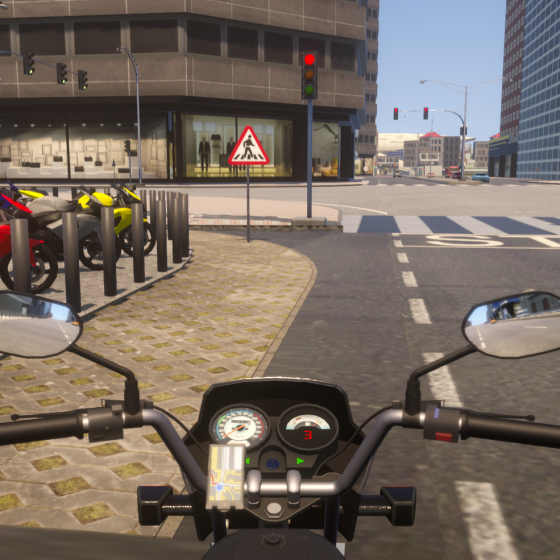
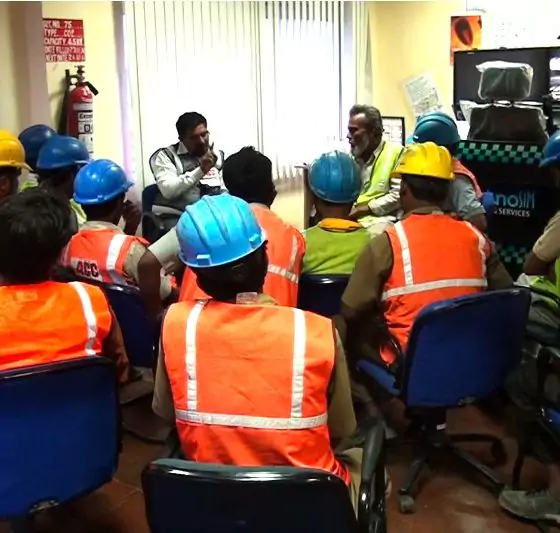
Tecknotrove has successfully completed a comprehensive simulator project for TVS – India’s third-largest 2 wheeler manufacturer in India and having…
Tecknotrove Car Driving Simulator is a professional driver training simulator system designed to improve driver skills, enhance safety outcomes, and enable structured learning in a controlled environment. It is used by driving schools, automotive OEMs, training institutes, and fleet operators to train drivers across a wide range of real-world scenarios without on-road risk.
The simulator functions as a comprehensive driver education simulator and integrated driver training software platform, supporting progressive learning, behavior assessment, and performance evaluation. It helps standardize training quality, reduce accident risk, and deliver measurable improvements in driver performance.

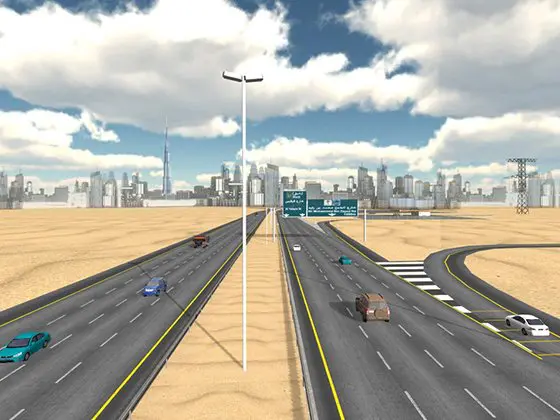
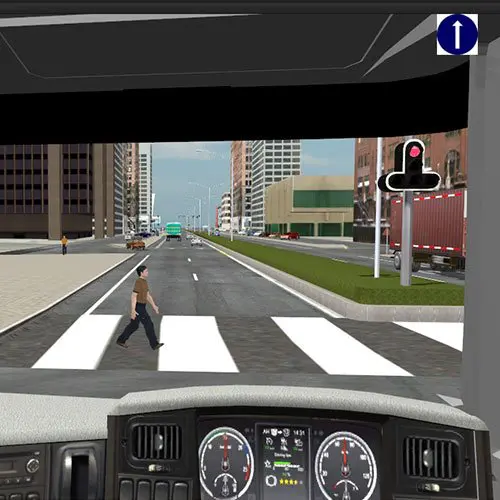
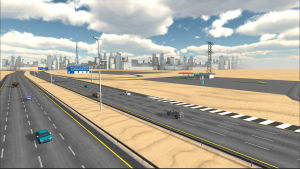
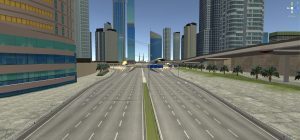
The simulator offers a wide range of configurable driving environments, including urban roads, highways, residential areas, and off-road terrains.
Dynamic conditions such as rain, fog, and low visibility are integrated to train drivers for real-world challenges, while AI-driven traffic introduces both routine and high-risk situations.
This enables effective training in hazard perception, decision-making, and defensive driving within a safe, controlled environment.

The simulator includes structured training modules that support progressive driver development, from basic vehicle control to advanced driving skills.
Modules cover applications such as beginner training, defensive driving, eco-driving, and emergency scenarios, enabling skill-building in a controlled environment.
Training programs can be customized to align with specific objectives, regulations, and organizational needs, ensuring consistent and scalable driver training.

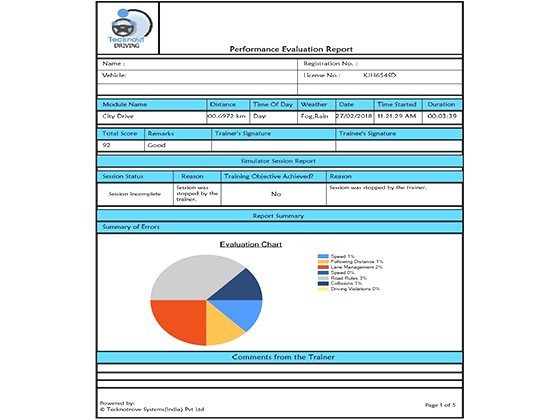
The simulator enables real-time driver assessment, capturing key metrics such as driving behavior, rule violations, and response to hazards.
Each session generates detailed performance reports, allowing instructors to track progress and identify areas for improvement.
Record-and-replay functionality supports targeted feedback, making training measurable, consistent, and outcome-driven.

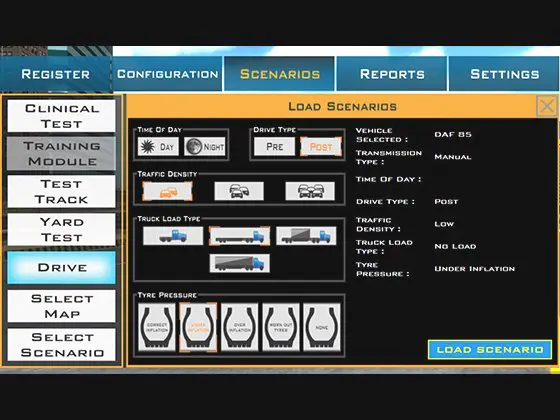
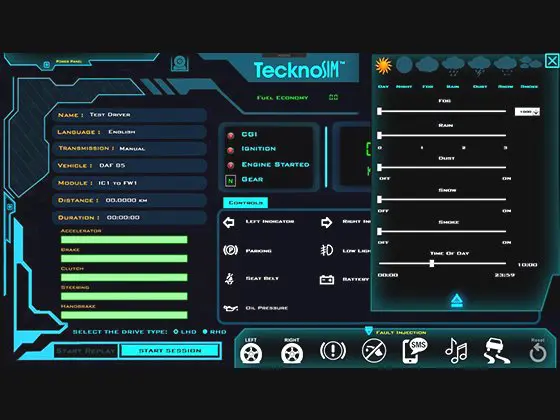
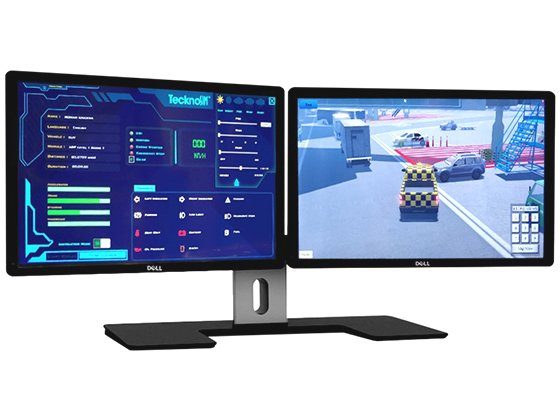
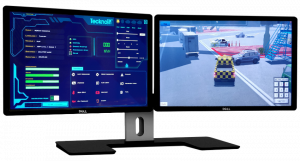
The instructor software enables structured planning and control of training sessions, allowing instructors to register trainees, assign modules, and track individual progress.
Instructors can configure scenarios in real time, including introducing driving conditions and injecting faults to simulate high-risk situations.
Live monitoring, performance data, and integrated reporting support consistent training delivery and data-driven evaluation across trainees.

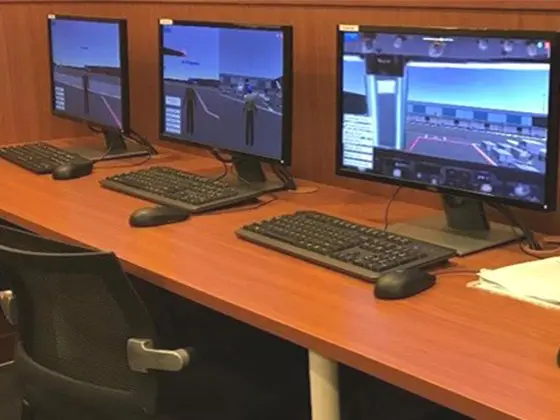
The system supports interconnected simulators, allowing multiple drivers to be trained simultaneously under a single instructor.
Centralized control, monitoring, and evaluation enable efficient group training for applications such as convoy driving, mission-based training, and fleet operations.
This improves training efficiency, reduces training time, and supports scalable deployment across institutions and fleets.

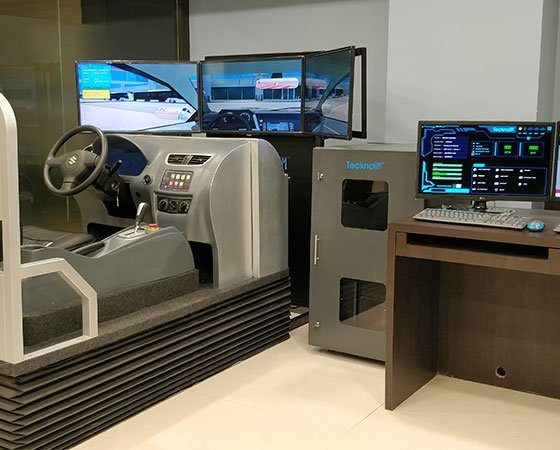
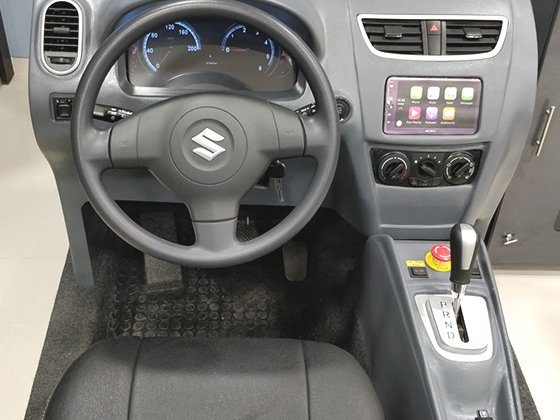
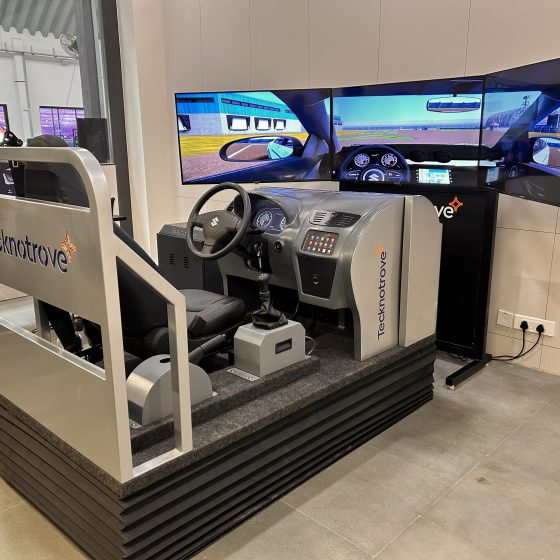
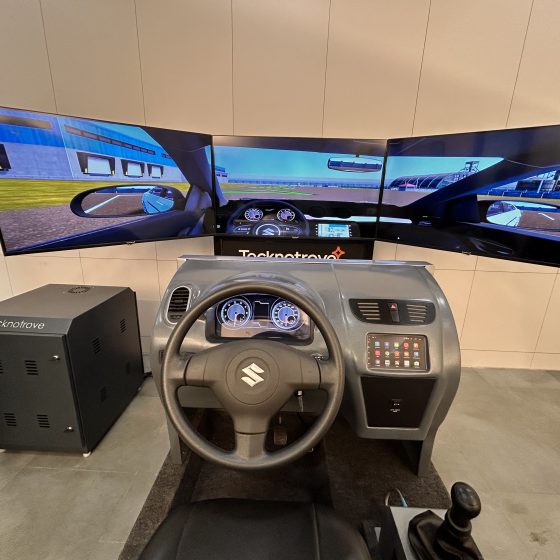
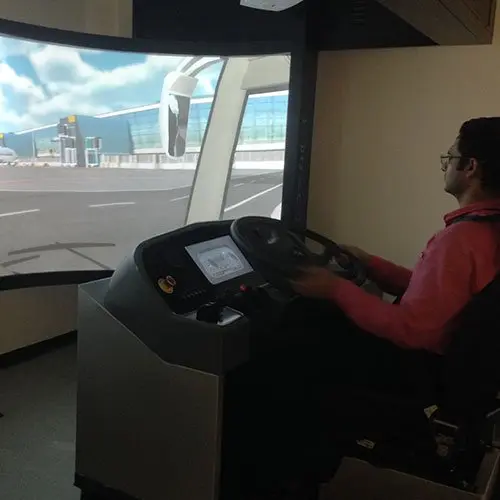
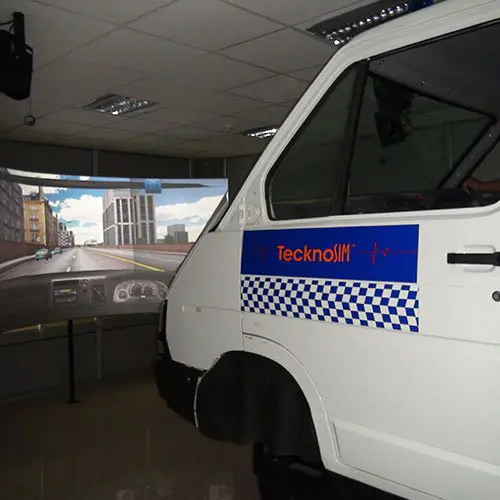
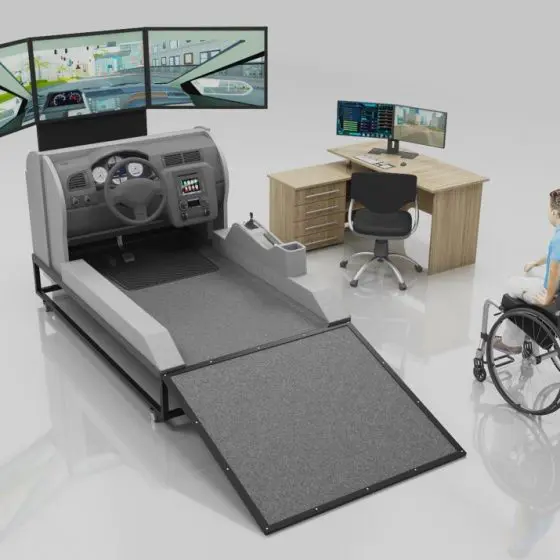
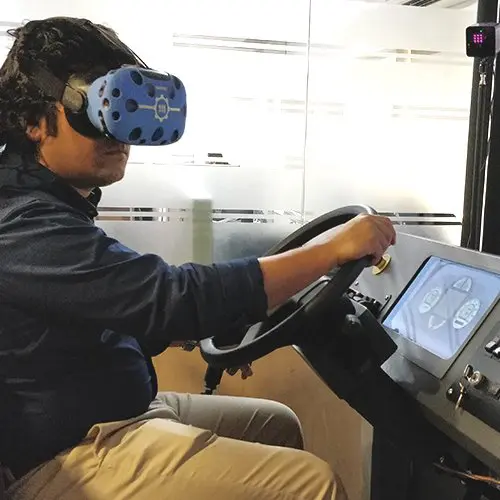
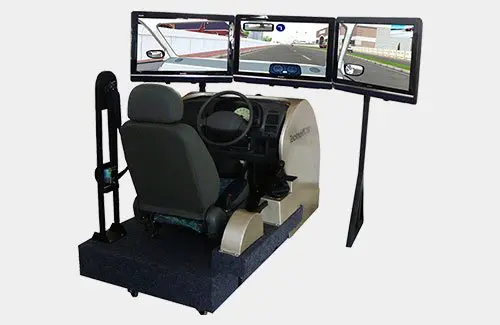
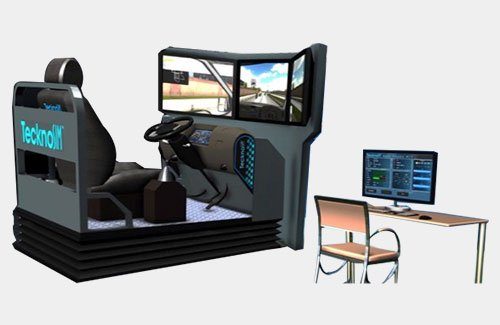
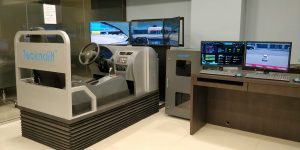
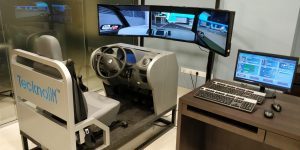
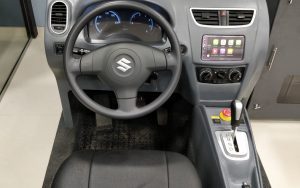
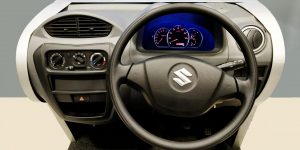
The driving station is designed as a realistic vehicle cabin to support driver familiarization and effective skill transfer to real-world driving.
It features actual vehicle controls including steering, pedals, gears, indicators, and switches, positioned ergonomically to replicate real driving conditions and build muscle memory.
The system supports both left-hand and right-hand configurations and can be adapted for multiple vehicle types, enabling flexible and standardized training across regions and applications.

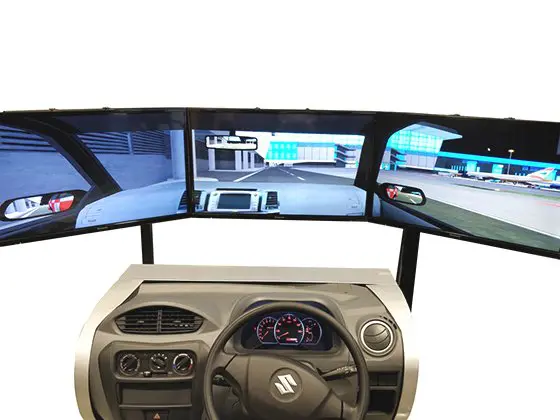
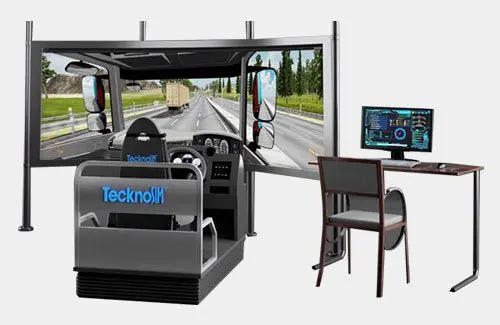
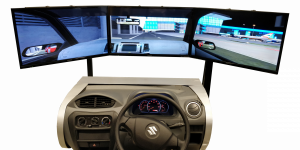
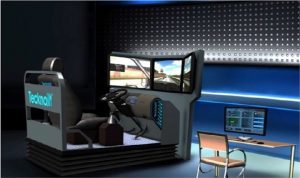
The display system supports visual awareness, depth perception, and environmental scanning, which are critical for safe driving.
It offers multiple configurations, including single screen (32”), triple screen setups, and curved projection systems with up to 180° field of view.
Wider viewing angles help drivers practice lane discipline, mirror usage, and spatial judgment in complex traffic conditions.

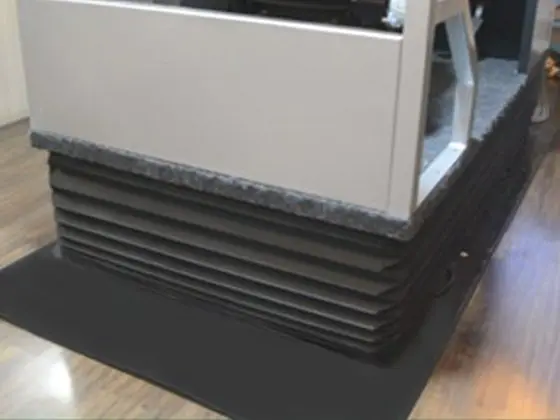
The motion system simulates vehicle dynamics such as acceleration, braking, and road feedback to improve driver understanding of vehicle behavior and control.
It is available in 3DOF and 6DOF configurations, allowing different levels of simulation fidelity based on training needs.
Higher fidelity supports advanced training scenarios, including complex driving conditions and precision vehicle handling.

The instructor station controls the driving system and provides trainers with the following capabilities:
Unlike consumer-grade simulators or gaming systems, our car driving simulator is built specifically for structured driver training and evaluation. It enables organizations to create repeatable, measurable, and safe training programs that are difficult to achieve through traditional on-road training alone.
The system can be deployed as a complete driving simulator system or integrated into existing training infrastructure depending on organizational requirements. It is widely used across:
The platform is also used as an automotive training simulator for OEM-led driver training, testing, and research applications. By combining simulation with instructor-led training, organizations can improve driver readiness, reduce training time, and ensure consistent skill development across all trainees
Key Outcomes of Simulator-Based Driver Training
The use of a driving simulator shifts training from experience-based learning to measurable skill development.
TecknoSIM Car Driving Simulators are widely used for:
Tecknotrove has successfully completed a comprehensive simulator project for TVS – India’s third-largest 2 wheeler manufacturer in India and having…
The Govt of Bangladesh is taking serious measures to curb the increasing number of road fatalities in the country .Driving…
FAQ
It’s a high-fidelity system that mimics real-world driving with accurate visuals, sound, and vehicle dynamics. Used for driver education and professional training, it helps learners practice safely before driving on actual roads.
Costs range from a few thousand dollars for basic models to tens of thousands for high-end, full-motion systems. Pricing depends on features, software realism, and the level of immersion required.
Yes, entry-level or scaled-down models exist for smaller budgets. They still provide valuable training experiences, though they may lack advanced features like motion feedback or VR integration.
High-resolution graphics, VR, motion platforms, and advanced analytics can significantly increase the price. Basic simulators are cheaper but may offer less realism and fewer training scenarios.
They’re ideal for new drivers, professional drivers, and driving schools. The simulators help build confidence, improve reaction times, and allow practice in various conditions without the risk of on-road accidents.
Hardware quality, software complexity, customization options, and support services play major roles. Additionally, volume discounts or leasing options may reduce upfront costs for organizations purchasing multiple units.
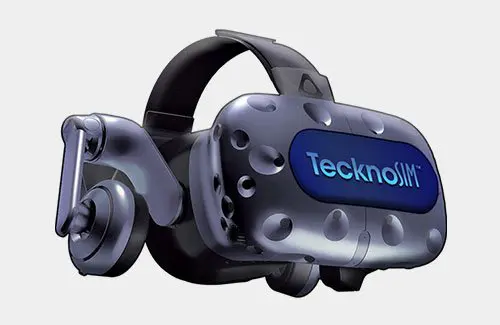
These simulators include HD displays, realistic pedal controls, force-feedback steering wheels, and sometimes VR headsets. Sophisticated software replicates vehicle physics and traffic patterns, ensuring a highly authentic driving experience.
They use advanced graphics, motion platforms, and force-feedback steering to simulate weather, road surfaces, and traffic. This immersive setup helps drivers experience real-world challenges in a controlled environment.